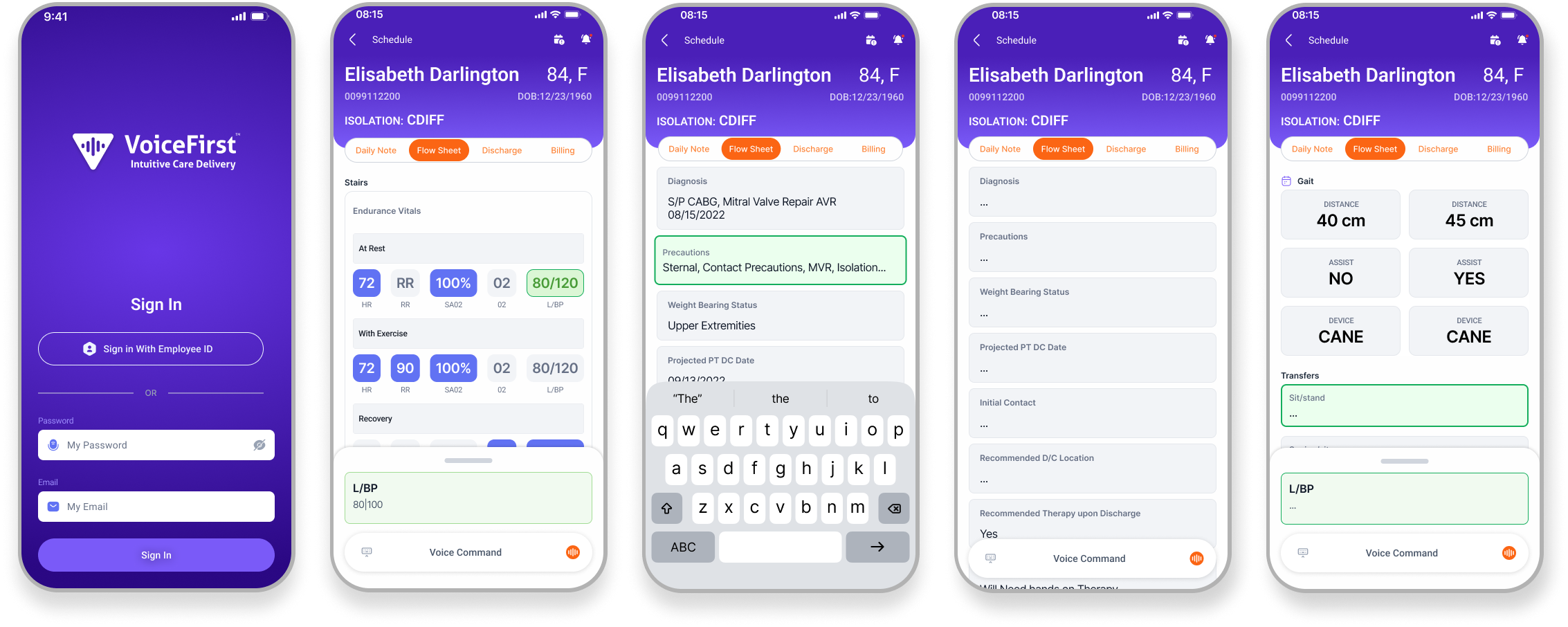
AccuNurse was a voice-assisted clinical documentation system designed to reduce the time nurses spent writing, transcribing, and re-entering patient information. I researched IV and physical therapy workflows, designed the mobile and desktop experience, and helped turn paper-heavy documentation into a real-time voice workflow nurses could review and trust.
The Challenge
Hospitals already knew documentation was consuming too much nursing time. My job was to understand how that problem showed up in real workflows and design a system that could reduce duplicate documentation without disrupting care.
The Solution
A voice-driven mobile application that let nurses capture structured patient information during care, verify it through spoken and visual feedback, and review the completed record at the end of the shift on a practicioner dashboard. Tie the care into billing and accounting.
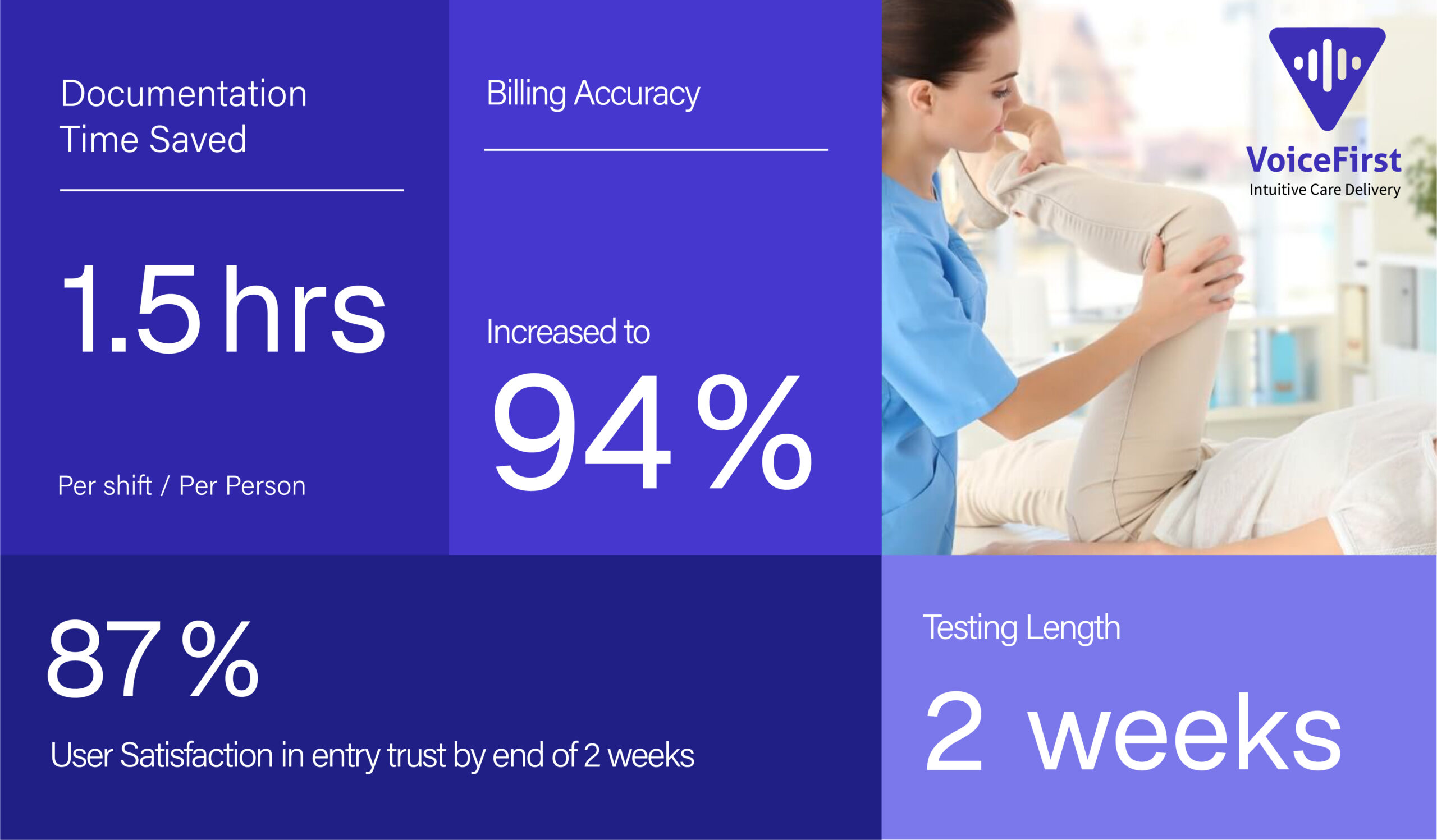
87%
Less time
Documenting
$2M
In contracts
first year
21
Care Facilities
7
Customers
MY ROLE
Sr. Product Designer
SCOPE
Research, IA, UI/UX, Visual Design, Handoff
PLATFORM
IOS-Mobile React-Web
TIMELINE
6 months (Kickoff to Delivery)
My Research
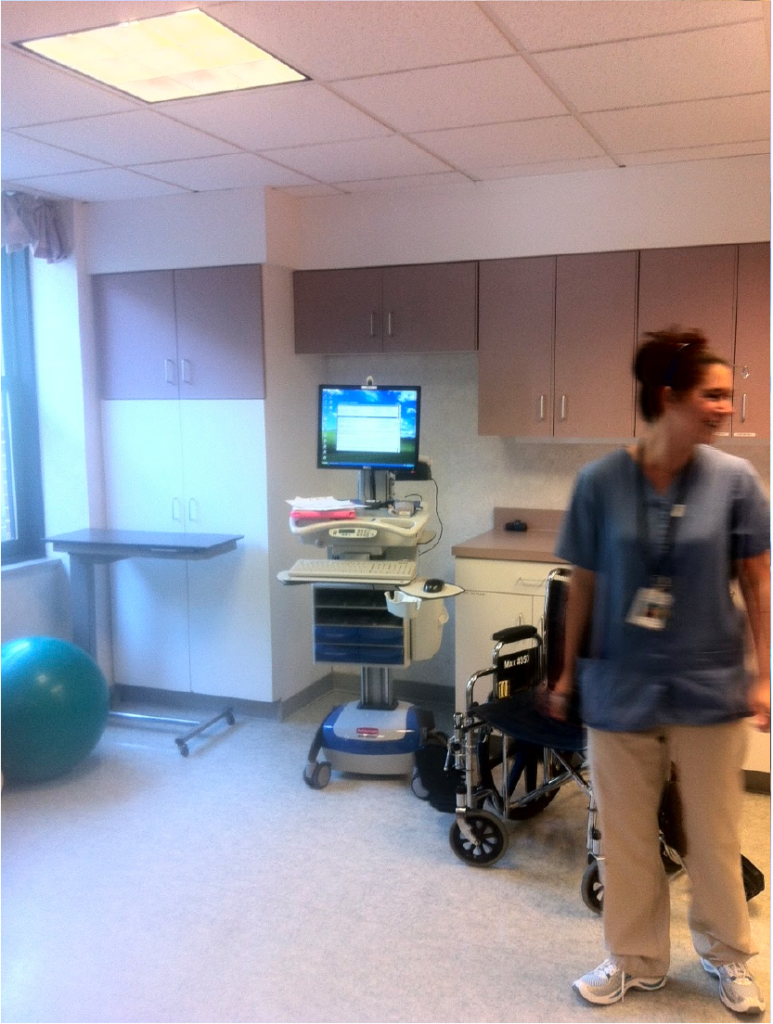
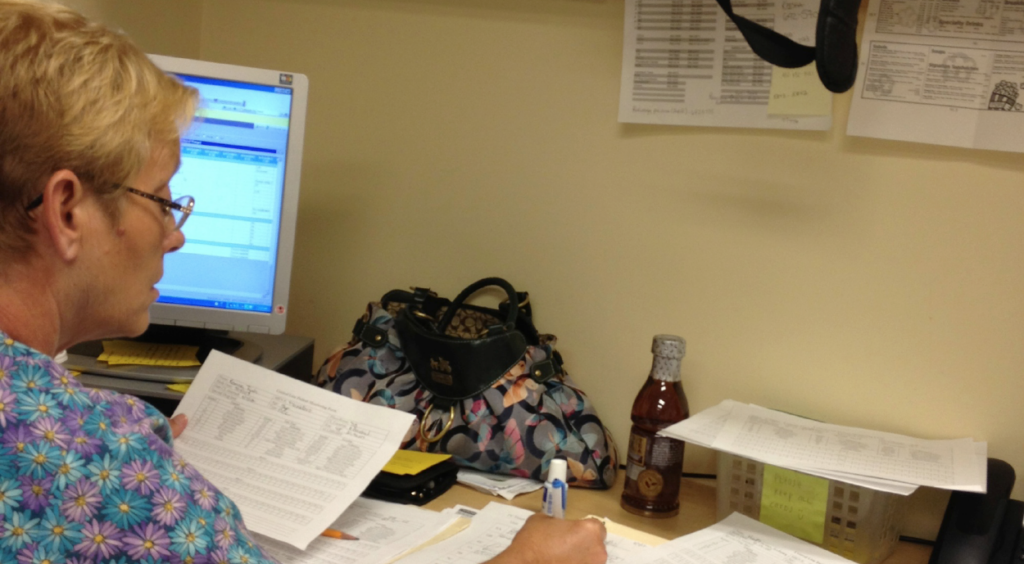
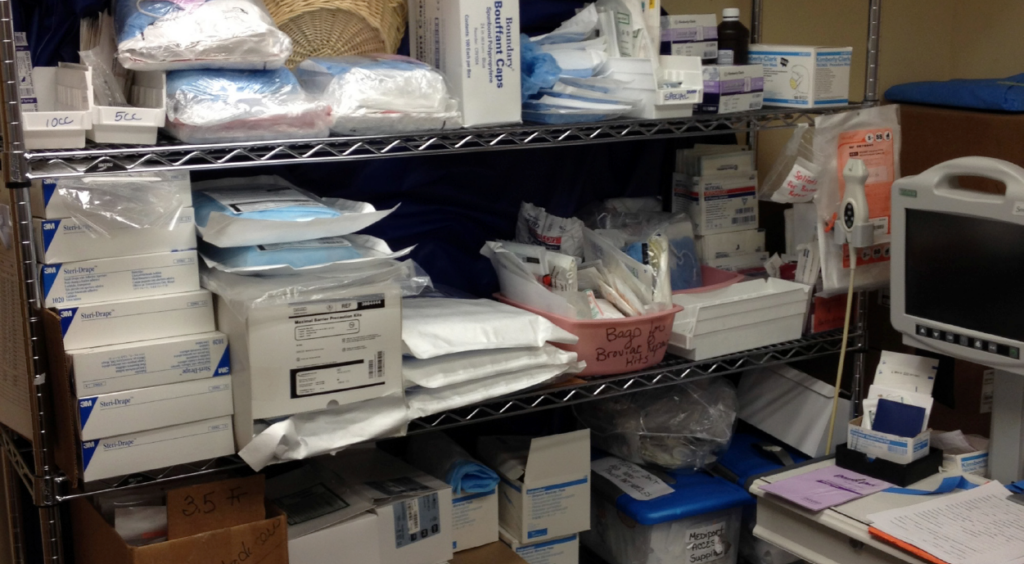
I shadowed nurses at two different target locations with two separate work environments.
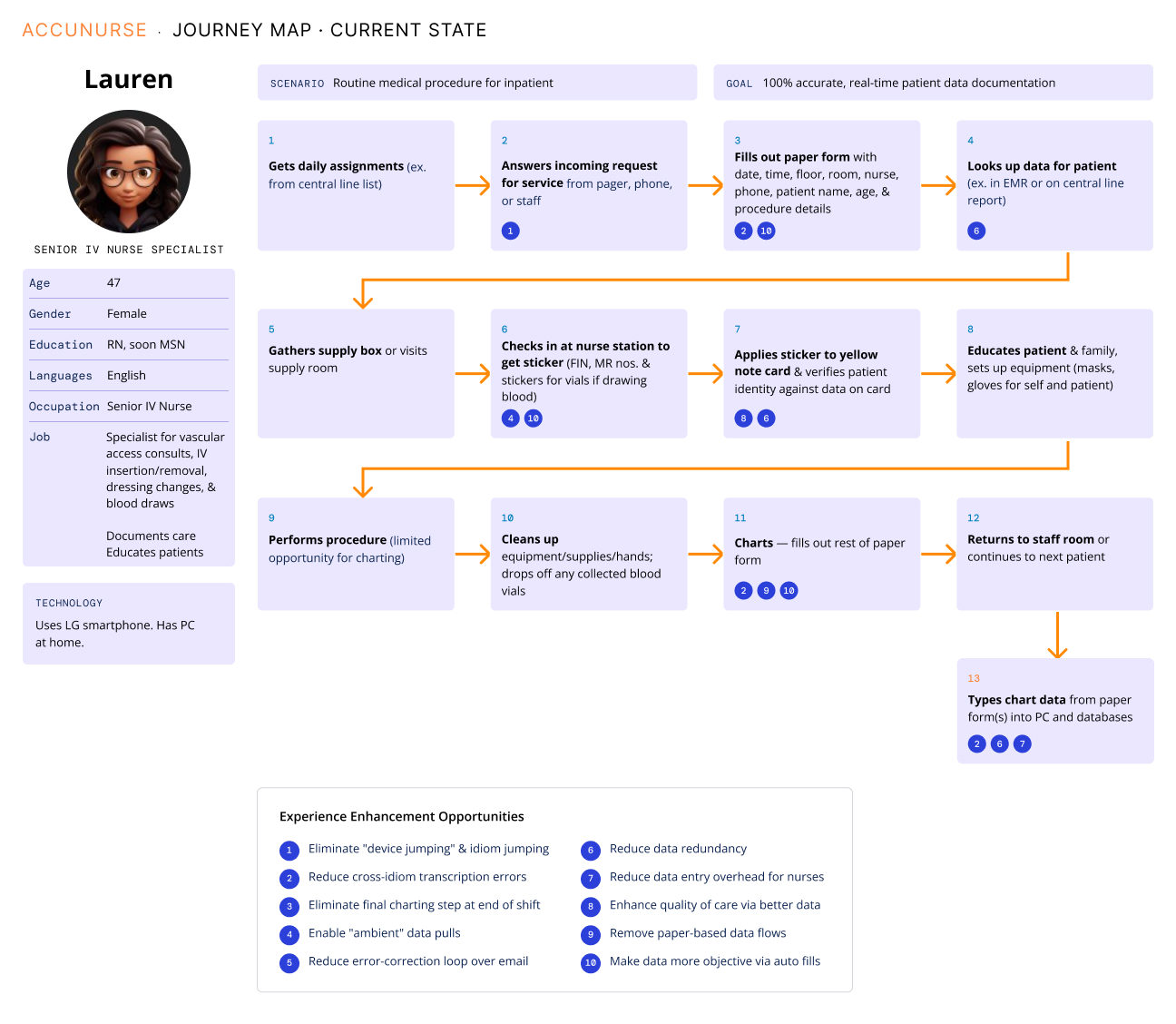
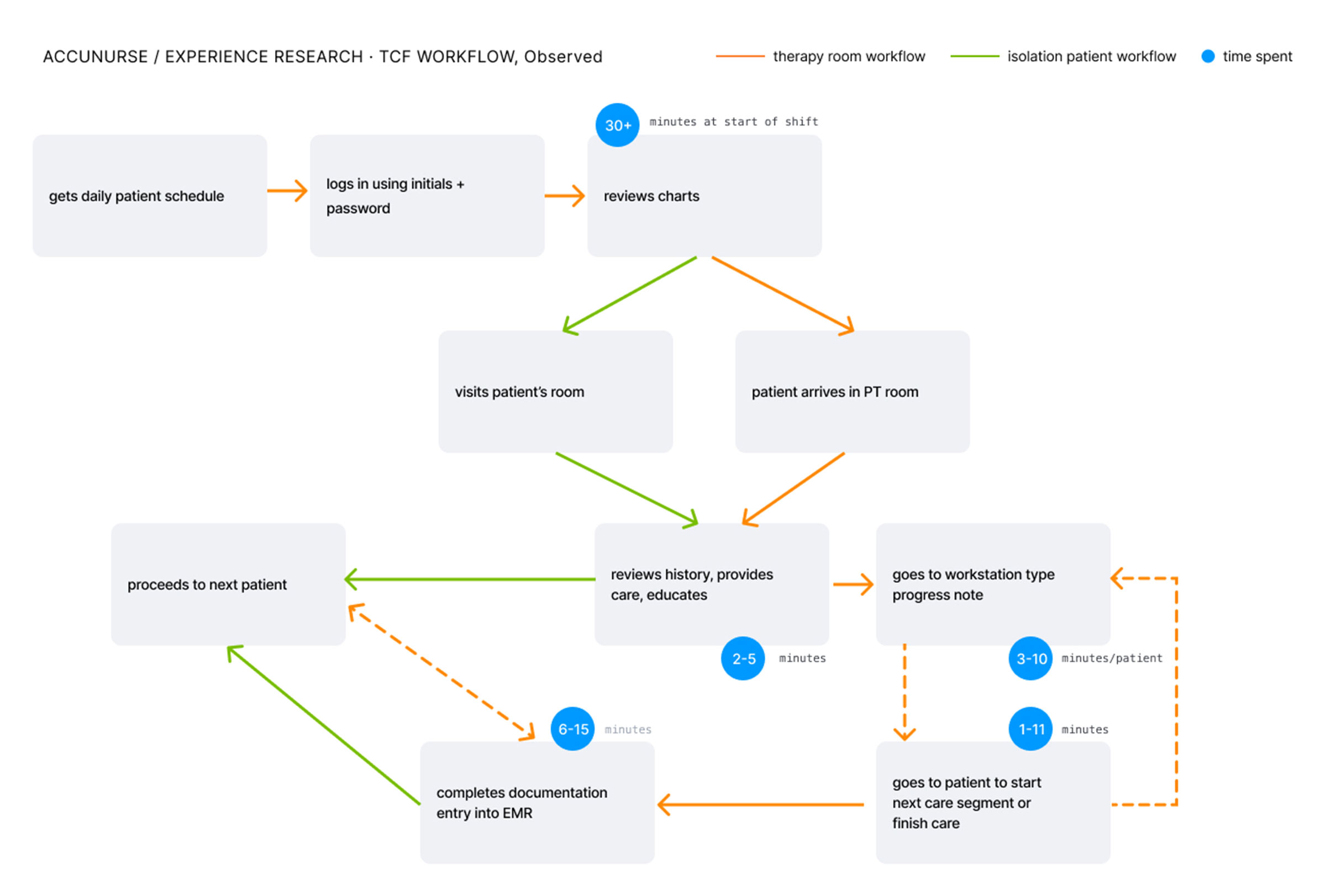
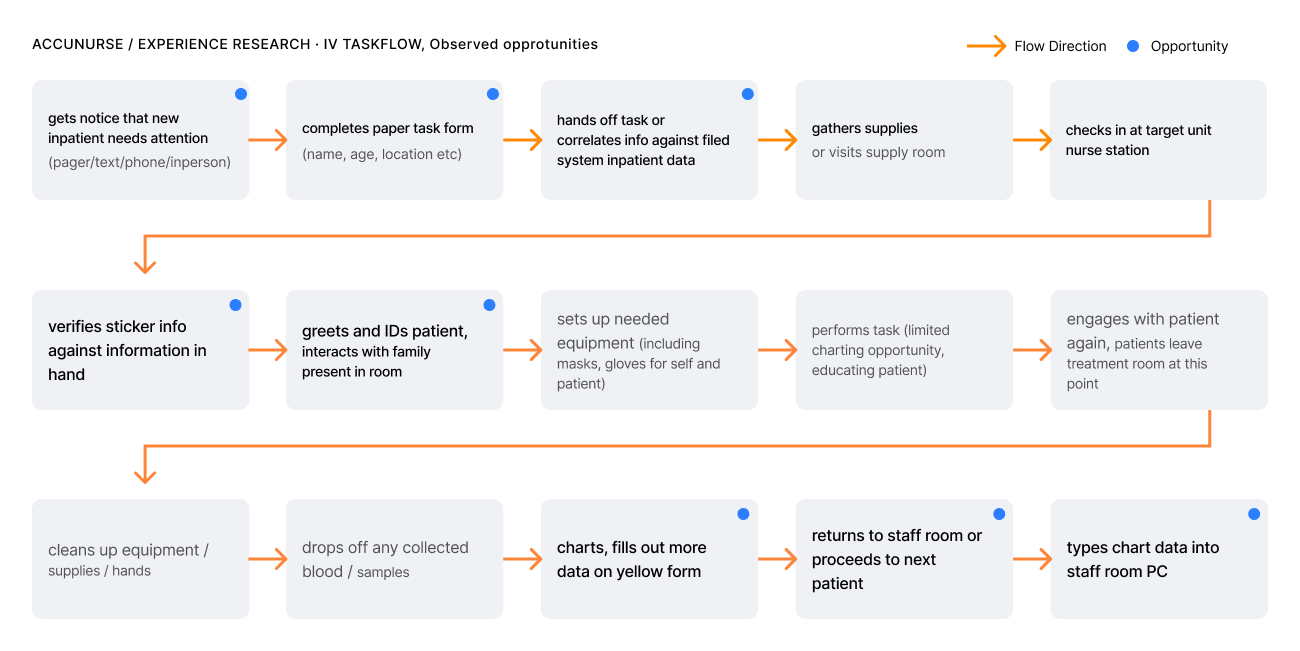
What I was seeing was that the nurses had to assemble their own working system before they could even start care. They were pulling patient information from paper, checking schedules, going to a computer, copying information down, gathering paperwork, then taking that information with them as they moved from room to room.
Once they were with a patient, the documentation process still wasn’t integrated into the care itself. They either had to stop and write things down while they were working, or rely on memory and document it afterward.
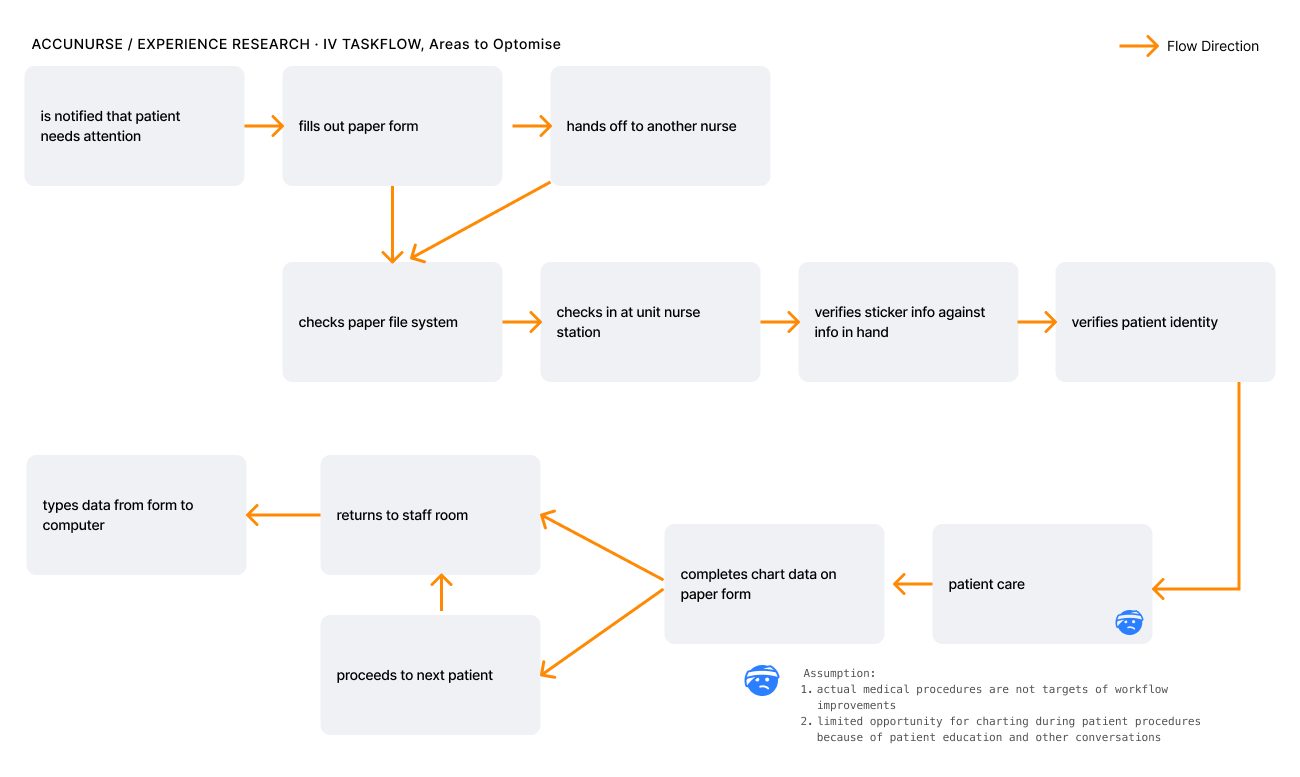
So the inefficiency wasn’t just “too much paperwork.” It was the constant switching between:
computer → paper → memory → patient care → paper again → computer again
That’s useful because it shows exactly where the friction lived.
The Opportunity
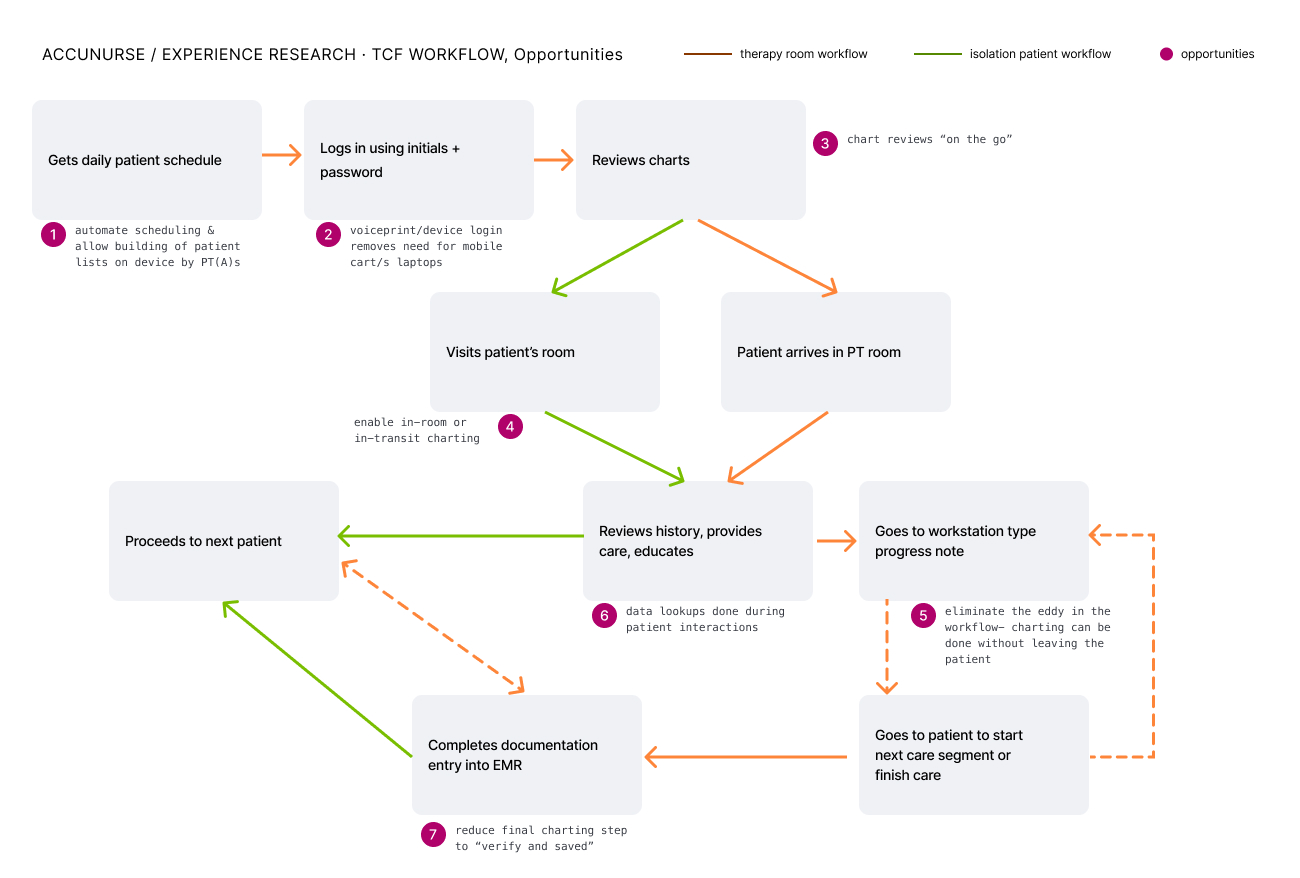
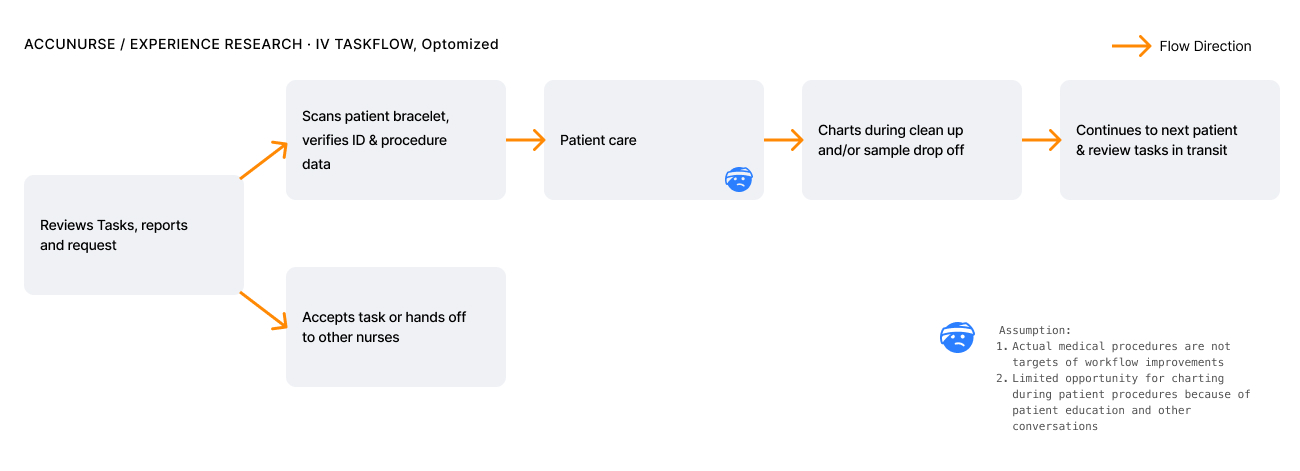
The goal wasn’t simply to “digitize documentation.” The hospital already had a digital system. The problem was that nurses had to document twice—first on paper, then again in the mainframe.
The opportunity was to collapse those two steps into one:
say the information once → capture it directly into the appropriate digital field → eliminate the paper transcription step
And the real value wasn’t just speed. It was giving nurses back time that could be spent with patients instead of sitting at a workstation doing administrative work.
The Third Pillar
This wasn’t only about clinical documentation. The nurses were also capturing information that directly affected billing and reimbursement: time spent with the patient, supplies used, and other billable activity.
AccuNurse also had to support the financial side of care. Nurses documented time spent with each patient, supplies used, and other billable activity. By capturing that information through voice at the point of care, the system could associate it directly with the patient record and billing workflow, reducing the need for duplicate entry later.
Core Problems
Double documentation and physical movement between:
Patient room Nurse station Staff room PC database
This created:
Redundant transcription Latency in data Error opportunity Reduced patient-facing time
Measures of Success
100% accurate, real-time documentation Eliminate device jumping Reduce transcription errors Remove final end-of-shift charting Reduce data redundancy Reduce data entry overhead Enhance quality of care Remove paper-based data flows Auto-fill objective data
Core Problems
Documentation was fragmented:
Start with paper or memory Go to workstation Return to patient Finish documentation later
This introduced:
Time loss Cognitive load Transcription risk Workflow interruption
Measures of Success
Increase therapy minutes (RUG metrics) Decrease staffing needs Validation of mandatory fields Faster documentation at point of care Accuracy of documentation Proper integration with billing system, and supply ordering
Somethings Gotta Stay Behind
We felt that the tough decision to leave a few things behind wouldn’t impact getting the product in users hands, fulfilling the contract, and start to get feedback.
The Dashboard
The dashboard integration was too complex to implement before launch. It was decided to deliver post launch as overall scope of project would increase.
Staff Communication
Communication between devices within the hospital ecosystem was a request by the client. This feature needed to be researched and a new data set and archetecture built. The featured was backlogged to post launch.
Detail and Wires
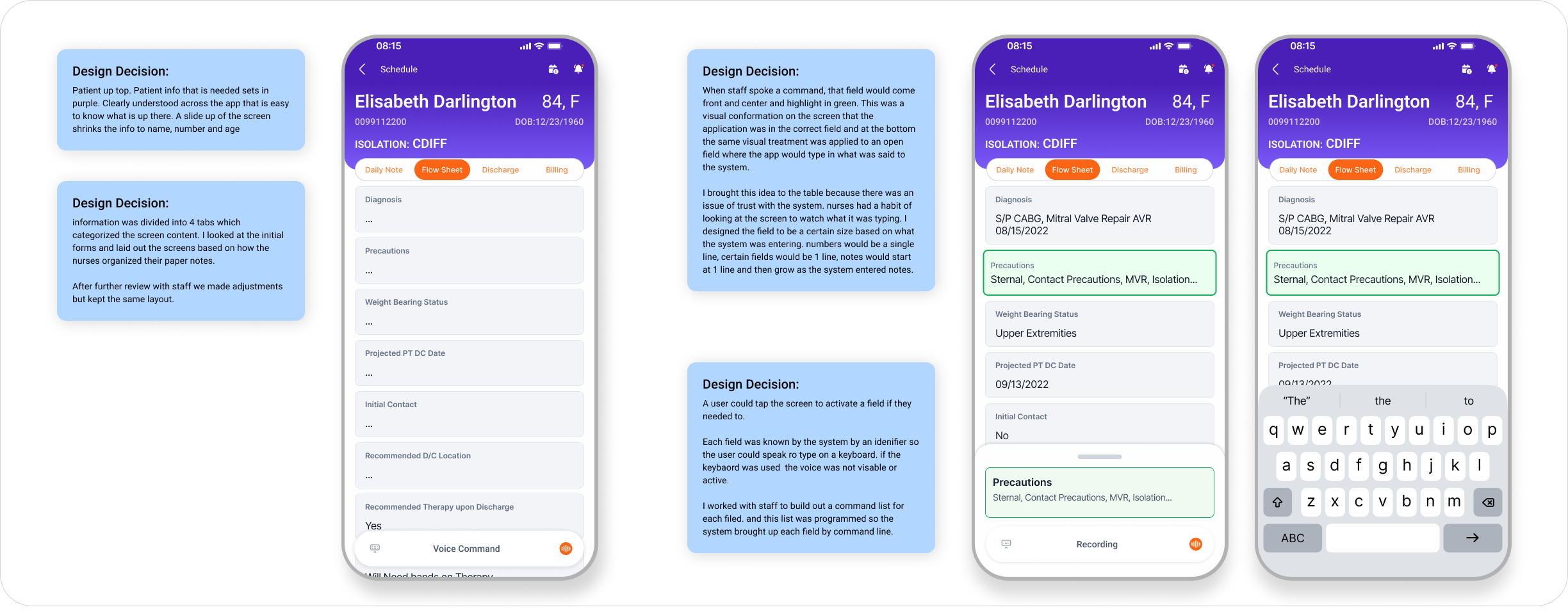
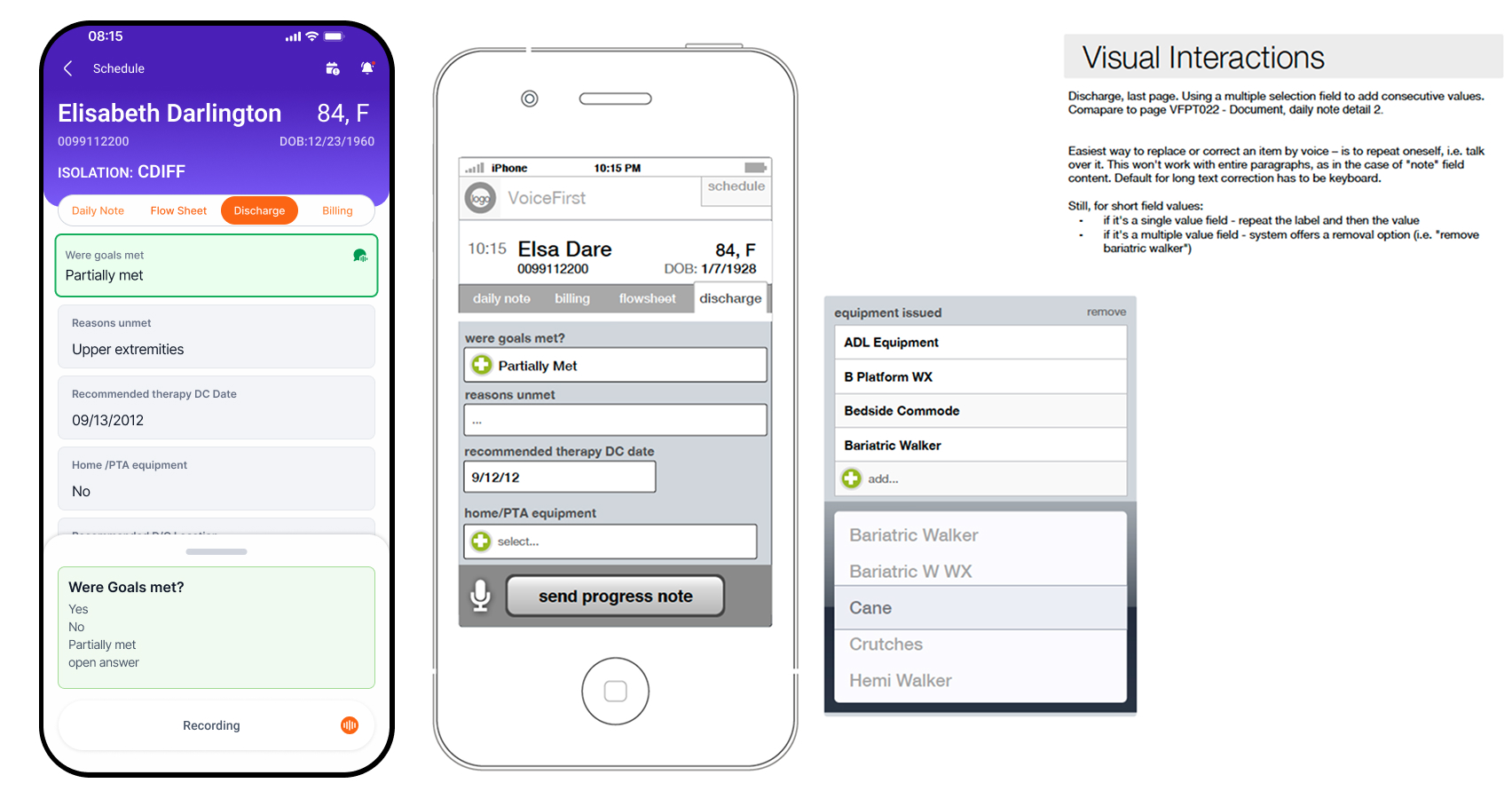
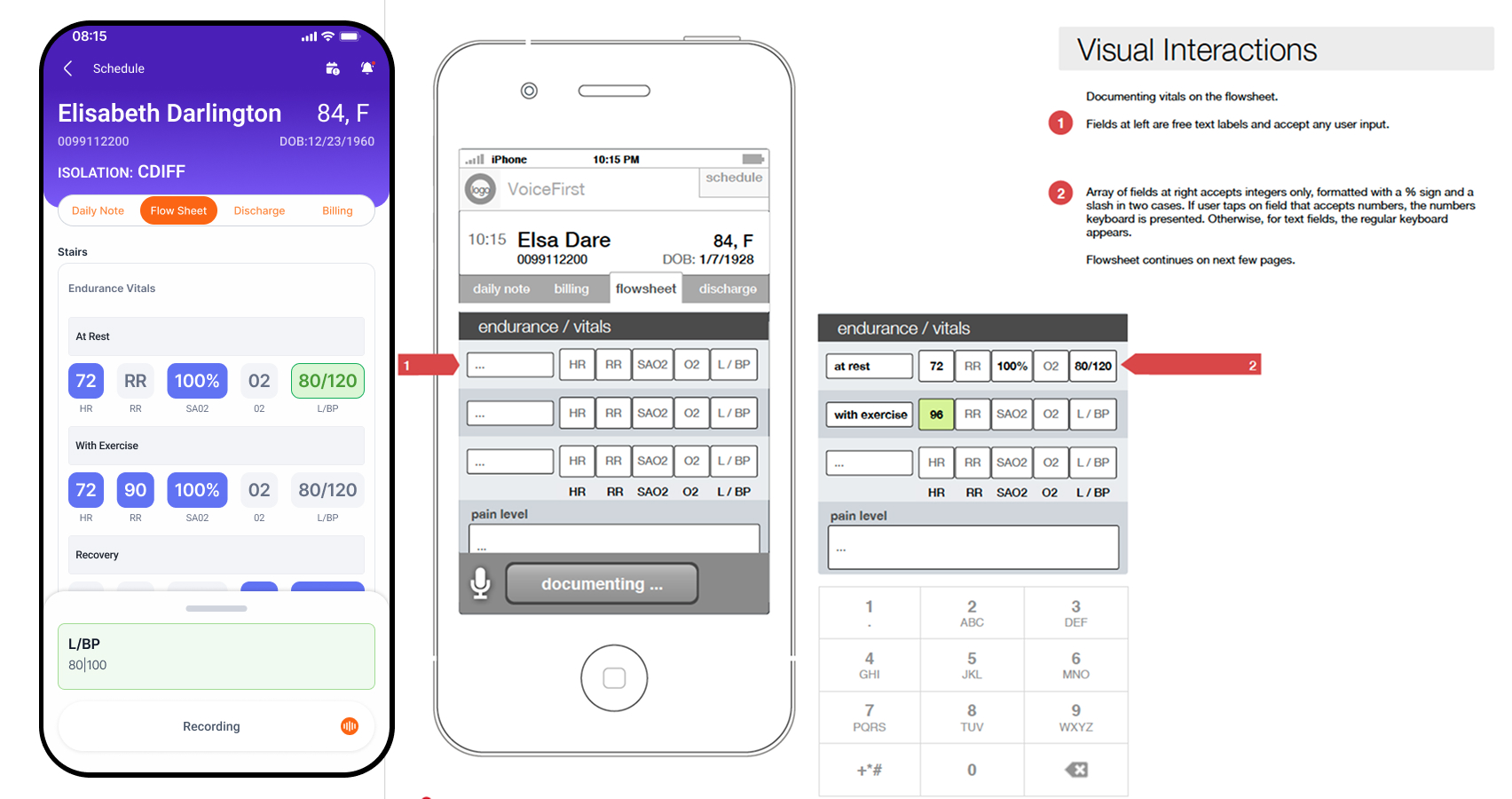
There were numerous wireframes (almost 200) outlining functionality. I am only showing two. I wired everything out for the dev team(this was before design systems). Today there are better ways to be more efficient.
Green highlights the active field, system input matches so user can see what the system is entering
UX - Business Impact
2 week testing length
Every product operates within its own set of constraints, timelines, technology, business goals, functional requirements, and the realities of the environment it lives in. Good design happens within those guardrails. The role of a designer is to bring experience, the right tools, and a clear understanding of what’s being built and who it’s for.
Each case study shown here is only a snapshot of a much larger process. I tend to ask a lot of questions because understanding the people using a product, and the context they use it in, reveals insights that assumptions alone never will.
Thanks for taking the time to explore this project. If it resonates with you, I’d be glad to talk more about it.